
Hair shedding is totally normal, but when there is a significant difference in the amount of hair, folks may be interested in finding out how to take care of their scalp and hair in a sensible method. When people are looking into hair loss remedies (Mittel gegen Haarausfall), they might end up encountering a multitude of products, regimens, and suggestions. But it’s a good idea to know the reason why the hair changes. There are a wide variety of reasons for hair loss, and some solutions may be helpful to some, not to others.
A comprehensive hair care regimen takes into account the health of the scalp, diet, hairstyle choices, overall health, and expert advice as needed, besides just the look of the hair.
How much Hair Shedding is Considered Normal
Loose hairs don’t necessarily indicate excessive hair loss.
Hair Naturally Goes Through Cycles
Each hair grows and ultimately goes into a resting phase before falling out. This is normal hair growth and is to be anticipated. There are thousands of hairs on the scalp which are expected to shed every day. The amount may also seem more pronounced when the loose hairs during washing and brushing accumulate. What is important is whether there is a significant or persistent change from a person’s pattern.
Various Factors Affecting Hair Loss
There are numerous causes for hair thinning. There are many possible causes, including genetic, hormonal, nutritional, drug, stress, disease and some scalp conditions. This diversity makes it hard to find an answer that fits everybody. When hair loss is sudden, extensive and accompanied by changes to the scalp, or other concerning symptoms, a healthcare professional can help determine the cause.
Good Nutrition: An Important Factor in Supporting Healthy Hair Growth
The state of the hair is partly dependent on the nutritional level of the body.
Be Careful With Supplements
Hair supplements are readily available for hair growth and appearance. But larger doses of a nutrient don’t always lead to greater benefits.
Some supplements can be beneficial only if they are needed and too much of some nutrients can pose health problems.
Therefore, individuals whose hair has undergone a dramatic transformation should consider nutrition testing and supplementation with a healthcare professional, and not just the claims that are put in place by advertisements.
Creating a Gentle Hair Care Routine
How hair is treated can impact its look and condition.
 ➡️ Avoid using too high of heat settings and steering clear of unnecessary heat styling can help keep hair looking healthier.
➡️ Take care when handling wet hair.
➡️ Be aware of any changes in the skin on the scalp.
Itchy, red, flaky, sore or abnormal scaling is not something that can be simply ignored.
There are some scalp conditions that can impact the appearance of the hair or cause more shedding. A dermatologist or other trained health care professional can assist in pinpointing possible causes and treatment.
Carefully Selecting Hair Products
The beauty market has a vast range of shampoos, conditioners, serums, oils and other specialized hair treatments.
Practice Individual Needs
Someone with oily skin may not want to use a product that is made for dry hair. Similarly, someone who has chemically treated hair might require something different from those who have not chemically treated their hair. When selecting products, consumers aren’t limited to ones that guarantee transforming their hair. They can also consider the ingredients, the product’s purpose, and the product’s fit for their hair.
Being Gentle with Hairstyles
Some hairstyles may cause constant tension in the hair.
Limit Tight Hairstyles
This is especially so when a hairstyle is uncomfortable or noticeable pulling around the hairline.
Avoid Aggressive Brushing
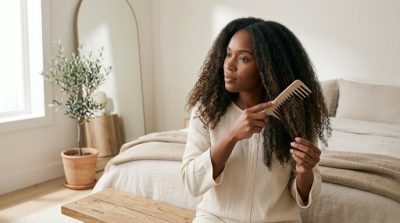
Brushing should knit the hair back into place without pulling stylus. Detangling from the outside may be easier. There is also a need to limit the pulling of the hair if using a suitable brush or comb for the type of hair.
Managing Everyday Stress
Stress can also affect a person’s health, and may, in certain cases, affect the hair-growth cycle. Hair loss remedies should not be considered a sure strategy to manage stress. Meanwhile, however, people who are undergoing treatment for the other possible causes can continue to practice healthy lifestyle habits and remain healthy.
Hair Changes During Ageing
Hair is a natural by-product that changes with age.
➡️ Hair will become thinner over time.
➡️ With age, the density of the hair may not remain uniform and hair may get finer.
➡️ Hair may become less vigorous or be slower to grow, too.
These changes are a normal part of aging, but there can be other reasons for them to be very thin.
Adjust Hair Care Expectations
As hair texture and density changes, hair-care routines can change as well. Products that have been effective in the past can become too heavy, too drying or simply not appropriate.
Expect the Reality
Haircare marketing can sometimes leave people with false hopes. Any quick or instant transformations, including those that are claimed to have occurred are best taken with a pinch of salt. The hair grows slowly, and you may not see results right away. It depends on the cause of your problem and the treatment you receive.
Consistent Product Use
A regular process that allows for the consistent use of a single product can make more sense than changing products all the time. Being aware of changes can also aid people identify if a specific routine is assisting or irritating.
Conclusion
Selecting products based on personal requirements can help to develop a manageable routine. Most importantly, if there is any significant loss of hair or any hair loss that cannot be explained, it should not just be looked at as a cosmetic issue. A professional evaluation can assist in finding out about any potential underlying causes and if further treatment is recommended.
A good haircare regimen isn’t a search for the magic bullet. It’s all about knowing the individual’s needs, minimizing hair damage, promoting overall health, and allowing the process sufficient time to create a noticeable difference.